
-
Deleuze Abecedary☺che testa che aveva quell'uomo, non gli piacciono i gatti!
qua tutte le 8 ore di conversazione sottotitolate, per ogni lettera danno a Deleuze un tema su cui fare una supercazzola, lo ha registrato a patto che fosse rilasciato solo dopo la sua morte, e spiega anche perchè, la chiarezza dei pensieri di quest'uomo mi lascia sempre di stucco.
http://www.langlab.wayne.edu/cstivale/d-g/abcs.htm...
summary of letter A, Animal
http://www.langlab.wayne.edu/cstivale/d-g/ABC1.htm...
Parnet starts by reading a quote from W.C. Fields that she applies to Deleuze: "A man who doesn't like animals or children can't be all bad." She leaves the children aside to ask about Deleuze's relationship to animals. She knows that he does not care for domestic animals, but she notes that he has quite a bestiary, rather repugnant, in fact -- of ticks, of fleas -- in his writings, and that he and Guattari have developed the animal in their concept of "animal-becomings." So she wonders what his relationship to animals is.
Deleuze is rather slow to respond to this, stating that it's not so much about cats and dogs, or animals as such. He indicates that he is sensitive to something in animals, but what bothers him are familial and familiar, domestic animals. He recalls the "fatal moment" when a child brings a stray cat home with the result that there was always an animal in his house. What he finds displeasing is that he doesn't like "things that rub" (les frotteurs); and he particularly reproaches dogs for barking, what he calls the very stupidest cry, the shame of the animal kingdom. He says he can better stand (although not for too long) the wolf howling at the moon than barking.
Moreover, he notes that people who really like cats and dogs do not have with them a human relationship, for example, children who have a infantile relationship with animals. What is essential, claims Deleuze, is to have an animal relationship with animals. Deleuze draws his conclusions from watching people walking their dogs down his isolated street, observing them talking to their dogs in a way that he considers "frightening" [effarant]. He reproaches psychoanalysis for turning animal images into mere symbols of family members, as in dream interpretation. Deleuze concludes by asking what relation one should or could have with an animal and speculates that it would be better to have an animal relation (not a human one) with an animal. Even hunters have this kind of relation with their prey.
[...]
**Modificato dall'autore il 16.05.2012 12:34**Please consider the environment before printing this message, 50% of the above is useless!-
Re: Deleuze AbecedaryScritto daNon Autenticatoil 2012-05-16 15:07:59.0 alle 2012-05-16 15:07:59.0> che testa che aveva quell'uomo, non gli piacciono i gatti!
>
>
>
> qua tutte le 8 ore di conversazione sottotitolate, per ogni lettera danno a Deleuze un tema su cui fare una supercazzola, lo ha registrato a patto che fosse rilasciato solo dopo la sua morte, e spiega anche perchè, la chiarezza dei pensieri di quest'uomo mi lascia sempre di stucco.
>
> http://www.langlab.wayne.edu/cstivale/d-g/abcs.htm...
>
> summary of letter A, Animal
> http://www.langlab.wayne.edu/cstivale/d-g/ABC1.htm...
>
> Parnet starts by reading a quote from W.C. Fields that she applies to Deleuze: "A man who doesn't like animals or children can't be all bad." She leaves the children aside to ask about Deleuze's relationship to animals. She knows that he does not care for domestic animals, but she notes that he has quite a bestiary, rather repugnant, in fact -- of ticks, of fleas -- in his writings, and that he and Guattari have developed the animal in their concept of "animal-becomings." So she wonders what his relationship to animals is.
>
> Deleuze is rather slow to respond to this, stating that it's not so much about cats and dogs, or animals as such. He indicates that he is sensitive to something in animals, but what bothers him are familial and familiar, domestic animals. He recalls the "fatal moment" when a child brings a stray cat home with the result that there was always an animal in his house. What he finds displeasing is that he doesn't like "things that rub" (les frotteurs); and he particularly reproaches dogs for barking, what he calls the very stupidest cry, the shame of the animal kingdom. He says he can better stand (although not for too long) the wolf howling at the moon than barking.
>
> Moreover, he notes that people who really like cats and dogs do not have with them a human relationship, for example, children who have a infantile relationship with animals. What is essential, claims Deleuze, is to have an animal relationship with animals. Deleuze draws his conclusions from watching people walking their dogs down his isolated street, observing them talking to their dogs in a way that he considers "frightening" [effarant]. He reproaches psychoanalysis for turning animal images into mere symbols of family members, as in dream interpretation. Deleuze concludes by asking what relation one should or could have with an animal and speculates that it would be better to have an animal relation (not a human one) with an animal. Even hunters have this kind of relation with their prey.
Non ci ho capito niente e non guarderò il video. Un video ti tiene occupato per 22 minuti quando le stesse cose potrebbero essere riassunte in forma scritta in modo da esser lette in cinque minuti.
Però ognuno ha i suoi gusti. Ad esempio a me non piacciono i giardini. La qualsi totalità dell'umanità identifica la bellezza con fioriere e bordure, e a me appaiono di un orrore stridente. Il mio occhio abituato alla naturalezza della natura trova sempre qualcosa di disarmonico anche nel giardino più stupendo.-
Re: Deleuze AbecedaryScritto daNon Autenticatoil 2012-05-16 17:45:07.0 alle 2012-05-16 17:45:07.0Scritto da:
> > che testa che aveva quell'uomo, non gli piacciono i gatti!
> >
> >
> >
> > qua tutte le 8 ore di conversazione sottotitolate, per ogni lettera danno a Deleuze un tema su cui fare una supercazzola, lo ha registrato a patto che fosse rilasciato solo dopo la sua morte, e spiega anche perchè, la chiarezza dei pensieri di quest'uomo mi lascia sempre di stucco.
> >
> > http://www.langlab.wayne.edu/cstivale/d-g/abcs.htm...
> >
> > summary of letter A, Animal
> > http://www.langlab.wayne.edu/cstivale/d-g/ABC1.htm...
> >
> > Parnet starts by reading a quote from W.C. Fields that she applies to Deleuze: "A man who doesn't like animals or children can't be all bad." She leaves the children aside to ask about Deleuze's relationship to animals. She knows that he does not care for domestic animals, but she notes that he has quite a bestiary, rather repugnant, in fact -- of ticks, of fleas -- in his writings, and that he and Guattari have developed the animal in their concept of "animal-becomings." So she wonders what his relationship to animals is.
> >
> > Deleuze is rather slow to respond to this, stating that it's not so much about cats and dogs, or animals as such. He indicates that he is sensitive to something in animals, but what bothers him are familial and familiar, domestic animals. He recalls the "fatal moment" when a child brings a stray cat home with the result that there was always an animal in his house. What he finds displeasing is that he doesn't like "things that rub" (les frotteurs); and he particularly reproaches dogs for barking, what he calls the very stupidest cry, the shame of the animal kingdom. He says he can better stand (although not for too long) the wolf howling at the moon than barking.
> >
> > Moreover, he notes that people who really like cats and dogs do not have with them a human relationship, for example, children who have a infantile relationship with animals. What is essential, claims Deleuze, is to have an animal relationship with animals. Deleuze draws his conclusions from watching people walking their dogs down his isolated street, observing them talking to their dogs in a way that he considers "frightening" [effarant]. He reproaches psychoanalysis for turning animal images into mere symbols of family members, as in dream interpretation. Deleuze concludes by asking what relation one should or could have with an animal and speculates that it would be better to have an animal relation (not a human one) with an animal. Even hunters have this kind of relation with their prey.
>
> Non ci ho capito niente e non guarderò il video. Un video ti tiene occupato per 22 minuti quando le stesse cose potrebbero essere riassunte in forma scritta in modo da esser lette in cinque minuti.
al link che ho riportato ci sono le trascrizioni e riassunti delle supercazzole di Deleuze, i video sono interessanti per lo stesso motivo per il qual euno puo proferire la forma verbale a quella scritta, per l'espressività di tipo diverso.
>
> Però ognuno ha i suoi gusti. Ad esempio a me non piacciono i giardini. La qualsi totalità dell'umanità identifica la bellezza con fioriere e bordure, e a me appaiono di un orrore stridente. Il mio occhio abituato alla naturalezza della natura trova sempre qualcosa di disarmonico anche nel giardino più stupendo.
riutilizzando il discorso di Deleuze ci si potrebbe chiedere se il tuo fosse un rapporto "naturale" con la natura mentre quello degli amanti dei giardini fosse un rapporto "umano" con la natura.
per me dietro a questo suo commento e ripensando al "divenire-animale" esplorato dai due folli francesi in seguito, si tratta di rendersi conto di quella cosa che anche herzog ha espresso alla fine de "grizzly man" parlando dell'orso, herzog faceva notare come lui nello sguardo dell'orso cje tamtp affascinava il novello hippie morto divorato non vedesse altro che la indifferenza dell'animale impegnato a mangiucchiare nei cnfronti dell'uomo e delle sue proiezioni, la totale indifferenza della natura verso quello che noi consideriamo emozionante, affettuoso o perfino terrificante, o nel tuo caso "l'ordinato e quindi bello" dei giardini, credere che quello che uno vede quando guarda un orso sia un bel musetto è l'avere un rapporto umano con un animale, una proiezione di fatto, vedere l'orso, il giardino, il cane per quello che sono e relazionarcisi senza proiettare la propria "umanità" su queste cose è avere un rapporto animale con un animale, o un rapporto naturale con la natura, esso è fondamentalmente un rapporto di mutuale indifferenza.
-
Re: Deleuze AbecedaryScritto daNon Autenticatoil 2012-05-16 18:23:53.0 alle 2012-05-16 18:23:53.0> > > che testa che aveva quell'uomo, non gli piacciono i gatti!
> > >
> > >
> > >
> > > qua tutte le 8 ore di conversazione sottotitolate, per ogni lettera danno a Deleuze un tema su cui fare una supercazzola, lo ha registrato a patto che fosse rilasciato solo dopo la sua morte, e spiega anche perchè, la chiarezza dei pensieri di quest'uomo mi lascia sempre di stucco.
> > >
> > > http://www.langlab.wayne.edu/cstivale/d-g/abcs.htm...
> > >
> > > summary of letter A, Animal
> > > http://www.langlab.wayne.edu/cstivale/d-g/ABC1.htm...
> > >
> > > Parnet starts by reading a quote from W.C. Fields that she applies to Deleuze: "A man who doesn't like animals or children can't be all bad." She leaves the children aside to ask about Deleuze's relationship to animals. She knows that he does not care for domestic animals, but she notes that he has quite a bestiary, rather repugnant, in fact -- of ticks, of fleas -- in his writings, and that he and Guattari have developed the animal in their concept of "animal-becomings." So she wonders what his relationship to animals is.
> > >
> > > Deleuze is rather slow to respond to this, stating that it's not so much about cats and dogs, or animals as such. He indicates that he is sensitive to something in animals, but what bothers him are familial and familiar, domestic animals. He recalls the "fatal moment" when a child brings a stray cat home with the result that there was always an animal in his house. What he finds displeasing is that he doesn't like "things that rub" (les frotteurs); and he particularly reproaches dogs for barking, what he calls the very stupidest cry, the shame of the animal kingdom. He says he can better stand (although not for too long) the wolf howling at the moon than barking.
> > >
> > > Moreover, he notes that people who really like cats and dogs do not have with them a human relationship, for example, children who have a infantile relationship with animals. What is essential, claims Deleuze, is to have an animal relationship with animals. Deleuze draws his conclusions from watching people walking their dogs down his isolated street, observing them talking to their dogs in a way that he considers "frightening" [effarant]. He reproaches psychoanalysis for turning animal images into mere symbols of family members, as in dream interpretation. Deleuze concludes by asking what relation one should or could have with an animal and speculates that it would be better to have an animal relation (not a human one) with an animal. Even hunters have this kind of relation with their prey.
> >
> > Non ci ho capito niente e non guarderò il video. Un video ti tiene occupato per 22 minuti quando le stesse cose potrebbero essere riassunte in forma scritta in modo da esser lette in cinque minuti.
>
> al link che ho riportato ci sono le trascrizioni e riassunti delle supercazzole di Deleuze, i video sono interessanti per lo stesso motivo per il qual euno puo proferire la forma verbale a quella scritta, per l'espressività di tipo diverso.
>
> >
> > Però ognuno ha i suoi gusti. Ad esempio a me non piacciono i giardini. La qualsi totalità dell'umanità identifica la bellezza con fioriere e bordure, e a me appaiono di un orrore stridente. Il mio occhio abituato alla naturalezza della natura trova sempre qualcosa di disarmonico anche nel giardino più stupendo.
>
> riutilizzando il discorso di Deleuze ci si potrebbe chiedere se il tuo fosse un rapporto "naturale" con la natura mentre quello degli amanti dei giardini fosse un rapporto "umano" con la natura.
Boh, avendo il senso estetico tarato su sistemi naturali come questo
(nel quale comunque avverto un impercettibile squilibrio in effetti esistente)
trovo inquietanti e disturbanti

(perché rovinare la naturalezza della composizione mettendoci una fontana, e aggiungere dei fiori in primo piano?)
o anche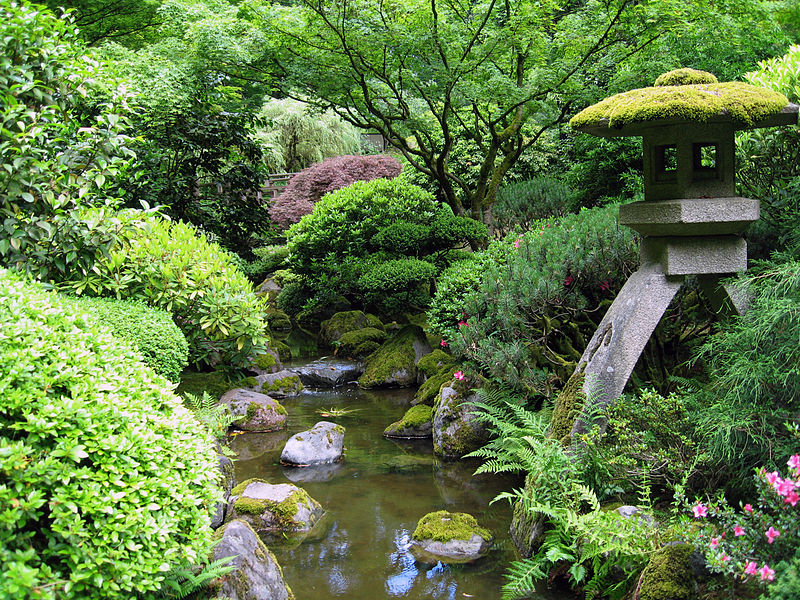
oppure
però non ad esempio
forse perché non è propriamente un giardino ma un paesaggio umano decorato con piante, mah
e
forse perché non maniacalmente curato e artificiale come il giardino della prima immagine.
Questo tirando in ballo giardini belli e oggettivamente ben realizzati, non gli obbrobri delle villette.
> per me dietro a questo suo commento e ripensando al "divenire-animale" esplorato dai due folli francesi in seguito, si tratta di rendersi conto di quella cosa che anche herzog ha espresso alla fine de "grizzly man" parlando dell'orso, herzog faceva notare come lui nello sguardo dell'orso cje tamtp affascinava il novello hippie morto divorato non vedesse altro che la indifferenza dell'animale impegnato a mangiucchiare nei cnfronti dell'uomo e delle sue proiezioni, la totale indifferenza della natura verso quello che noi consideriamo emozionante, affettuoso o perfino terrificante, o nel tuo caso "l'ordinato e quindi bello" dei giardini, credere che quello che uno vede quando guarda un orso sia un bel musetto è l'avere un rapporto umano con un animale, una proiezione di fatto, vedere l'orso, il giardino, il cane per quello che sono e relazionarcisi senza proiettare la propria "umanità" su queste cose è avere un rapporto animale con un animale, o un rapporto naturale con la natura, esso è fondamentalmente un rapporto di mutuale indifferenza.
-
Re: Deleuze Abecedary☺Scritto da:
> > > > che testa che aveva quell'uomo, non gli piacciono i gatti!
> > > >
> > > >
> > > >
> > > > qua tutte le 8 ore di conversazione sottotitolate, per ogni lettera danno a Deleuze un tema su cui fare una supercazzola, lo ha registrato a patto che fosse rilasciato solo dopo la sua morte, e spiega anche perchè, la chiarezza dei pensieri di quest'uomo mi lascia sempre di stucco.
> > > >
> > > > http://www.langlab.wayne.edu/cstivale/d-g/abcs.htm...
> > > >
> > > > summary of letter A, Animal
> > > > http://www.langlab.wayne.edu/cstivale/d-g/ABC1.htm...
> > > >
> > > > Parnet starts by reading a quote from W.C. Fields that she applies to Deleuze: "A man who doesn't like animals or children can't be all bad." She leaves the children aside to ask about Deleuze's relationship to animals. She knows that he does not care for domestic animals, but she notes that he has quite a bestiary, rather repugnant, in fact -- of ticks, of fleas -- in his writings, and that he and Guattari have developed the animal in their concept of "animal-becomings." So she wonders what his relationship to animals is.
> > > >
> > > > Deleuze is rather slow to respond to this, stating that it's not so much about cats and dogs, or animals as such. He indicates that he is sensitive to something in animals, but what bothers him are familial and familiar, domestic animals. He recalls the "fatal moment" when a child brings a stray cat home with the result that there was always an animal in his house. What he finds displeasing is that he doesn't like "things that rub" (les frotteurs); and he particularly reproaches dogs for barking, what he calls the very stupidest cry, the shame of the animal kingdom. He says he can better stand (although not for too long) the wolf howling at the moon than barking.
> > > >
> > > > Moreover, he notes that people who really like cats and dogs do not have with them a human relationship, for example, children who have a infantile relationship with animals. What is essential, claims Deleuze, is to have an animal relationship with animals. Deleuze draws his conclusions from watching people walking their dogs down his isolated street, observing them talking to their dogs in a way that he considers "frightening" [effarant]. He reproaches psychoanalysis for turning animal images into mere symbols of family members, as in dream interpretation. Deleuze concludes by asking what relation one should or could have with an animal and speculates that it would be better to have an animal relation (not a human one) with an animal. Even hunters have this kind of relation with their prey.
> > >
> > > Non ci ho capito niente e non guarderò il video. Un video ti tiene occupato per 22 minuti quando le stesse cose potrebbero essere riassunte in forma scritta in modo da esser lette in cinque minuti.
> >
> > al link che ho riportato ci sono le trascrizioni e riassunti delle supercazzole di Deleuze, i video sono interessanti per lo stesso motivo per il qual euno puo proferire la forma verbale a quella scritta, per l'espressività di tipo diverso.
> >
> > >
> > > Però ognuno ha i suoi gusti. Ad esempio a me non piacciono i giardini. La qualsi totalità dell'umanità identifica la bellezza con fioriere e bordure, e a me appaiono di un orrore stridente. Il mio occhio abituato alla naturalezza della natura trova sempre qualcosa di disarmonico anche nel giardino più stupendo.
> >
> > riutilizzando il discorso di Deleuze ci si potrebbe chiedere se il tuo fosse un rapporto "naturale" con la natura mentre quello degli amanti dei giardini fosse un rapporto "umano" con la natura.
>
> Boh, avendo il senso estetico tarato su sistemi naturali come questo
>
>
>
> (nel quale comunque avverto un impercettibile squilibrio in effetti esistente)
>
> trovo inquietanti e disturbanti
>
>
>
>
>
> (perché rovinare la naturalezza della composizione mettendoci una fontana, e aggiungere dei fiori in primo piano?)
>
> o anche
>
>
>
> oppure
>
>
>
> però non ad esempio
>
>
>
> forse perché non è propriamente un giardino ma un paesaggio umano decorato con piante, mah
>
> e
>
>
>
> forse perché non maniacalmente curato e artificiale come il giardino della prima immagine.
>
> Questo tirando in ballo giardini belli e oggettivamente ben realizzati, non gli obbrobri delle villette.
e i campi di rovi? te gustas tu?Please consider the environment before printing this message, 50% of the above is useless!-
Re: Deleuze AbecedaryScritto daNon Autenticatoil 2012-05-16 22:32:56.0 alle 2012-05-16 22:32:56.0> > > > > che testa che aveva quell'uomo, non gli piacciono i gatti!
> > > > >
> > > > >
> > > > >
> > > > > qua tutte le 8 ore di conversazione sottotitolate, per ogni lettera danno a Deleuze un tema su cui fare una supercazzola, lo ha registrato a patto che fosse rilasciato solo dopo la sua morte, e spiega anche perchè, la chiarezza dei pensieri di quest'uomo mi lascia sempre di stucco.
> > > > >
> > > > > http://www.langlab.wayne.edu/cstivale/d-g/abcs.htm...
> > > > >
> > > > > summary of letter A, Animal
> > > > > http://www.langlab.wayne.edu/cstivale/d-g/ABC1.htm...
> > > > >
> > > > > Parnet starts by reading a quote from W.C. Fields that she applies to Deleuze: "A man who doesn't like animals or children can't be all bad." She leaves the children aside to ask about Deleuze's relationship to animals. She knows that he does not care for domestic animals, but she notes that he has quite a bestiary, rather repugnant, in fact -- of ticks, of fleas -- in his writings, and that he and Guattari have developed the animal in their concept of "animal-becomings." So she wonders what his relationship to animals is.
> > > > >
> > > > > Deleuze is rather slow to respond to this, stating that it's not so much about cats and dogs, or animals as such. He indicates that he is sensitive to something in animals, but what bothers him are familial and familiar, domestic animals. He recalls the "fatal moment" when a child brings a stray cat home with the result that there was always an animal in his house. What he finds displeasing is that he doesn't like "things that rub" (les frotteurs); and he particularly reproaches dogs for barking, what he calls the very stupidest cry, the shame of the animal kingdom. He says he can better stand (although not for too long) the wolf howling at the moon than barking.
> > > > >
> > > > > Moreover, he notes that people who really like cats and dogs do not have with them a human relationship, for example, children who have a infantile relationship with animals. What is essential, claims Deleuze, is to have an animal relationship with animals. Deleuze draws his conclusions from watching people walking their dogs down his isolated street, observing them talking to their dogs in a way that he considers "frightening" [effarant]. He reproaches psychoanalysis for turning animal images into mere symbols of family members, as in dream interpretation. Deleuze concludes by asking what relation one should or could have with an animal and speculates that it would be better to have an animal relation (not a human one) with an animal. Even hunters have this kind of relation with their prey.
> > > >
> > > > Non ci ho capito niente e non guarderò il video. Un video ti tiene occupato per 22 minuti quando le stesse cose potrebbero essere riassunte in forma scritta in modo da esser lette in cinque minuti.
> > >
> > > al link che ho riportato ci sono le trascrizioni e riassunti delle supercazzole di Deleuze, i video sono interessanti per lo stesso motivo per il qual euno puo proferire la forma verbale a quella scritta, per l'espressività di tipo diverso.
> > >
> > > >
> > > > Però ognuno ha i suoi gusti. Ad esempio a me non piacciono i giardini. La qualsi totalità dell'umanità identifica la bellezza con fioriere e bordure, e a me appaiono di un orrore stridente. Il mio occhio abituato alla naturalezza della natura trova sempre qualcosa di disarmonico anche nel giardino più stupendo.
> > >
> > > riutilizzando il discorso di Deleuze ci si potrebbe chiedere se il tuo fosse un rapporto "naturale" con la natura mentre quello degli amanti dei giardini fosse un rapporto "umano" con la natura.
> >
> > Boh, avendo il senso estetico tarato su sistemi naturali come questo
> >
> >
> >
> > (nel quale comunque avverto un impercettibile squilibrio in effetti esistente)
> >
> > trovo inquietanti e disturbanti
> >
> >
> >
> >
> >
> > (perché rovinare la naturalezza della composizione mettendoci una fontana, e aggiungere dei fiori in primo piano?)
> >
> > o anche
> >
> >
> >
> > oppure
> >
> >
> >
> > però non ad esempio
> >
> >
> >
> > forse perché non è propriamente un giardino ma un paesaggio umano decorato con piante, mah
> >
> > e
> >
> >
> >
> > forse perché non maniacalmente curato e artificiale come il giardino della prima immagine.
> >
> > Questo tirando in ballo giardini belli e oggettivamente ben realizzati, non gli obbrobri delle villette.
>
> e i campi di rovi? te gustas tu?
Oh yeah! Vuoi mettere un bel prato bordeggiato di rovi a confronto con un'insulsa fioriera?
-
Re: Deleuze Abecedary☺Scritto da:
> > > > > > che testa che aveva quell'uomo, non gli piacciono i gatti!
> > > > > >
> > > > > >
> > > > > >
> > > > > > qua tutte le 8 ore di conversazione sottotitolate, per ogni lettera danno a Deleuze un tema su cui fare una supercazzola, lo ha registrato a patto che fosse rilasciato solo dopo la sua morte, e spiega anche perchè, la chiarezza dei pensieri di quest'uomo mi lascia sempre di stucco.
> > > > > >
> > > > > > http://www.langlab.wayne.edu/cstivale/d-g/abcs.htm...
> > > > > >
> > > > > > summary of letter A, Animal
> > > > > > http://www.langlab.wayne.edu/cstivale/d-g/ABC1.htm...
> > > > > >
> > > > > > Parnet starts by reading a quote from W.C. Fields that she applies to Deleuze: "A man who doesn't like animals or children can't be all bad." She leaves the children aside to ask about Deleuze's relationship to animals. She knows that he does not care for domestic animals, but she notes that he has quite a bestiary, rather repugnant, in fact -- of ticks, of fleas -- in his writings, and that he and Guattari have developed the animal in their concept of "animal-becomings." So she wonders what his relationship to animals is.
> > > > > >
> > > > > > Deleuze is rather slow to respond to this, stating that it's not so much about cats and dogs, or animals as such. He indicates that he is sensitive to something in animals, but what bothers him are familial and familiar, domestic animals. He recalls the "fatal moment" when a child brings a stray cat home with the result that there was always an animal in his house. What he finds displeasing is that he doesn't like "things that rub" (les frotteurs); and he particularly reproaches dogs for barking, what he calls the very stupidest cry, the shame of the animal kingdom. He says he can better stand (although not for too long) the wolf howling at the moon than barking.
> > > > > >
> > > > > > Moreover, he notes that people who really like cats and dogs do not have with them a human relationship, for example, children who have a infantile relationship with animals. What is essential, claims Deleuze, is to have an animal relationship with animals. Deleuze draws his conclusions from watching people walking their dogs down his isolated street, observing them talking to their dogs in a way that he considers "frightening" [effarant]. He reproaches psychoanalysis for turning animal images into mere symbols of family members, as in dream interpretation. Deleuze concludes by asking what relation one should or could have with an animal and speculates that it would be better to have an animal relation (not a human one) with an animal. Even hunters have this kind of relation with their prey.
> > > > >
> > > > > Non ci ho capito niente e non guarderò il video. Un video ti tiene occupato per 22 minuti quando le stesse cose potrebbero essere riassunte in forma scritta in modo da esser lette in cinque minuti.
> > > >
> > > > al link che ho riportato ci sono le trascrizioni e riassunti delle supercazzole di Deleuze, i video sono interessanti per lo stesso motivo per il qual euno puo proferire la forma verbale a quella scritta, per l'espressività di tipo diverso.
> > > >
> > > > >
> > > > > Però ognuno ha i suoi gusti. Ad esempio a me non piacciono i giardini. La qualsi totalità dell'umanità identifica la bellezza con fioriere e bordure, e a me appaiono di un orrore stridente. Il mio occhio abituato alla naturalezza della natura trova sempre qualcosa di disarmonico anche nel giardino più stupendo.
> > > >
> > > > riutilizzando il discorso di Deleuze ci si potrebbe chiedere se il tuo fosse un rapporto "naturale" con la natura mentre quello degli amanti dei giardini fosse un rapporto "umano" con la natura.
> > >
> > > Boh, avendo il senso estetico tarato su sistemi naturali come questo
> > >
> > >
> > >
> > > (nel quale comunque avverto un impercettibile squilibrio in effetti esistente)
> > >
> > > trovo inquietanti e disturbanti
> > >
> > >
> > >
> > >
> > >
> > > (perché rovinare la naturalezza della composizione mettendoci una fontana, e aggiungere dei fiori in primo piano?)
> > >
> > > o anche
> > >
> > >
> > >
> > > oppure
> > >
> > >
> > >
> > > però non ad esempio
> > >
> > >
> > >
> > > forse perché non è propriamente un giardino ma un paesaggio umano decorato con piante, mah
> > >
> > > e
> > >
> > >
> > >
> > > forse perché non maniacalmente curato e artificiale come il giardino della prima immagine.
> > >
> > > Questo tirando in ballo giardini belli e oggettivamente ben realizzati, non gli obbrobri delle villette.
> >
> > e i campi di rovi? te gustas tu?
>
> Oh yeah! Vuoi mettere un bel prato bordeggiato di rovi a confronto con un'insulsa fioriera?
ok dai e un sottobosco tutto intricato, irraggiungibile e fitto come una giungla? con il terreno ricoperto di rovi e sterpaglie, gli alberi tutti sottili e piccoli e mingherlini perchè sono ancora in competizione tra loro e l'edera che intanto gioisce e ne ammazza la metà?
tutte le foto sopra dei paesaggi "naturali" erano quei begli angoletti di bosco dove si vanno a stendere i daini, ma mica è tutto così il bosco, anzi, la maggior parte è proprio un ammasso di robaccia verde tutta incasinata, uno puo tranquillamente decidere che quello va benissimo semplicemente perchè è così che è, e apprezzarlo per altri motivi che vanno oltre l'estetica, o il contrario, qua in liguria (e gatto li conosce) ci sono intere valli dove ci stanno solo castagni, che non c'azzeccano niente con la macchia mediterranea e anzi stanno sostituendola, a me non piacciono più da quando lo ho scoperto, ed è sempre una questione di che tipo di rapporti si hanno con le cose, se basati su proiezioni o meno, certi utenti del foro lo dimostrano in continuazione come si possa essere mangiati vivi da queste proiezioni e chiudersi dentro una bolla, malattia che ragiona solo in termini di sessualità senza un vero pensiero concreto al riguardo, puppen che vede ebrei dovunque, l'esposizione di Deleuze è mica malvagia, come è tipico da lui, a parte il fatto che l'abbaio dei cani in realtà è un ottimo mezzo di comunicazione cane-uomo (tutti i padroni di cani riconoscono il tipo di abbaio, quando ha fame, quando vuole uscire, quando gioca, quando è incazzato nero, etc.) e lui stesso proietta chissà quale sua fisima nel proprio giudizio in merito, provando che è impossibile essere immuni da queste trappole cognitive che abbiamo stampate nei circuiti neurali senza possibilità di fix ne firmware upgrade.Please consider the environment before printing this message, 50% of the above is useless!-
HAAAAALLLPPP!!!Scritto daNon Autenticatoil 2012-05-17 14:53:37.0 alle 2012-05-17 14:53:37.0> > > > > > > che testa che aveva quell'uomo, non gli piacciono i gatti!
> > > > > > >
> > > > > > >
> > > > > > >
> > > > > > > qua tutte le 8 ore di conversazione sottotitolate, per ogni lettera danno a Deleuze un tema su cui fare una supercazzola, lo ha registrato a patto che fosse rilasciato solo dopo la sua morte, e spiega anche perchè, la chiarezza dei pensieri di quest'uomo mi lascia sempre di stucco.
> > > > > > >
> > > > > > > http://www.langlab.wayne.edu/cstivale/d-g/abcs.htm...
> > > > > > >
> > > > > > > summary of letter A, Animal
> > > > > > > http://www.langlab.wayne.edu/cstivale/d-g/ABC1.htm...
> > > > > > >
> > > > > > > Parnet starts by reading a quote from W.C. Fields that she applies to Deleuze: "A man who doesn't like animals or children can't be all bad." She leaves the children aside to ask about Deleuze's relationship to animals. She knows that he does not care for domestic animals, but she notes that he has quite a bestiary, rather repugnant, in fact -- of ticks, of fleas -- in his writings, and that he and Guattari have developed the animal in their concept of "animal-becomings." So she wonders what his relationship to animals is.
> > > > > > >
> > > > > > > Deleuze is rather slow to respond to this, stating that it's not so much about cats and dogs, or animals as such. He indicates that he is sensitive to something in animals, but what bothers him are familial and familiar, domestic animals. He recalls the "fatal moment" when a child brings a stray cat home with the result that there was always an animal in his house. What he finds displeasing is that he doesn't like "things that rub" (les frotteurs); and he particularly reproaches dogs for barking, what he calls the very stupidest cry, the shame of the animal kingdom. He says he can better stand (although not for too long) the wolf howling at the moon than barking.
> > > > > > >
> > > > > > > Moreover, he notes that people who really like cats and dogs do not have with them a human relationship, for example, children who have a infantile relationship with animals. What is essential, claims Deleuze, is to have an animal relationship with animals. Deleuze draws his conclusions from watching people walking their dogs down his isolated street, observing them talking to their dogs in a way that he considers "frightening" [effarant]. He reproaches psychoanalysis for turning animal images into mere symbols of family members, as in dream interpretation. Deleuze concludes by asking what relation one should or could have with an animal and speculates that it would be better to have an animal relation (not a human one) with an animal. Even hunters have this kind of relation with their prey.
> > > > > >
> > > > > > Non ci ho capito niente e non guarderò il video. Un video ti tiene occupato per 22 minuti quando le stesse cose potrebbero essere riassunte in forma scritta in modo da esser lette in cinque minuti.
> > > > >
> > > > > al link che ho riportato ci sono le trascrizioni e riassunti delle supercazzole di Deleuze, i video sono interessanti per lo stesso motivo per il qual euno puo proferire la forma verbale a quella scritta, per l'espressività di tipo diverso.
> > > > >
> > > > > >
> > > > > > Però ognuno ha i suoi gusti. Ad esempio a me non piacciono i giardini. La qualsi totalità dell'umanità identifica la bellezza con fioriere e bordure, e a me appaiono di un orrore stridente. Il mio occhio abituato alla naturalezza della natura trova sempre qualcosa di disarmonico anche nel giardino più stupendo.
> > > > >
> > > > > riutilizzando il discorso di Deleuze ci si potrebbe chiedere se il tuo fosse un rapporto "naturale" con la natura mentre quello degli amanti dei giardini fosse un rapporto "umano" con la natura.
> > > >
> > > > Boh, avendo il senso estetico tarato su sistemi naturali come questo
> > > >
> > > >
> > > >
> > > > (nel quale comunque avverto un impercettibile squilibrio in effetti esistente)
> > > >
> > > > trovo inquietanti e disturbanti
> > > >
> > > >
> > > >
> > > >
> > > >
> > > > (perché rovinare la naturalezza della composizione mettendoci una fontana, e aggiungere dei fiori in primo piano?)
> > > >
> > > > o anche
> > > >
> > > >
> > > >
> > > > oppure
> > > >
> > > >
> > > >
> > > > però non ad esempio
> > > >
> > > >
> > > >
> > > > forse perché non è propriamente un giardino ma un paesaggio umano decorato con piante, mah
> > > >
> > > > e
> > > >
> > > >
> > > >
> > > > forse perché non maniacalmente curato e artificiale come il giardino della prima immagine.
> > > >
> > > > Questo tirando in ballo giardini belli e oggettivamente ben realizzati, non gli obbrobri delle villette.
> > >
> > > e i campi di rovi? te gustas tu?
> >
> > Oh yeah! Vuoi mettere un bel prato bordeggiato di rovi a confronto con un'insulsa fioriera?
>
> ok dai e un sottobosco tutto intricato, irraggiungibile e fitto come una giungla? con il terreno ricoperto di rovi e sterpaglie, gli alberi tutti sottili e piccoli e mingherlini perchè sono ancora in competizione tra loro e l'edera che intanto gioisce e ne ammazza la metà?
>
> tutte le foto sopra dei paesaggi "naturali" erano quei begli angoletti di bosco dove si vanno a stendere i daini, ma mica è tutto così il bosco, anzi, la maggior parte è proprio un ammasso di robaccia verde tutta incasinata, uno puo tranquillamente decidere che quello va benissimo semplicemente perchè è così che è, e apprezzarlo per altri motivi che vanno oltre l'estetica, o il contrario, qua in liguria (e gatto li conosce) ci sono intere valli dove ci stanno solo castagni, che non c'azzeccano niente con la macchia mediterranea e anzi stanno sostituendola, a me non piacciono più da quando lo ho scoperto, ed è sempre una questione di che tipo di rapporti si hanno con le cose, se basati su proiezioni o meno, certi utenti del foro lo dimostrano in continuazione come si possa essere mangiati vivi da queste proiezioni e chiudersi dentro una bolla, malattia che ragiona solo in termini di sessualità senza un vero pensiero concreto al riguardo, puppen che vede ebrei dovunque, l'esposizione di Deleuze è mica malvagia, come è tipico da lui, a parte il fatto che l'abbaio dei cani in realtà è un ottimo mezzo di comunicazione cane-uomo (tutti i padroni di cani riconoscono il tipo di abbaio, quando ha fame, quando vuole uscire, quando gioca, quando è incazzato nero, etc.) e lui stesso proietta chissà quale sua fisima nel proprio giudizio in merito, provando che è impossibile essere immuni da queste trappole cognitive che abbiamo stampate nei circuiti neurali senza possibilità di fix ne firmware upgrade.
Mi sono incartato cercando di fare l'analisi logica di quello che hai scritto.
-
Re: HAAAAALLLPPP!!!Scritto daNon Autenticatoil 2012-05-17 14:54:36.0 alle 2012-05-17 14:54:36.0Scritto da:
> > > > > > > > che testa che aveva quell'uomo, non gli piacciono i gatti!
> > > > > > > >
> > > > > > > >
> > > > > > > >
> > > > > > > > qua tutte le 8 ore di conversazione sottotitolate, per ogni lettera danno a Deleuze un tema su cui fare una supercazzola, lo ha registrato a patto che fosse rilasciato solo dopo la sua morte, e spiega anche perchè, la chiarezza dei pensieri di quest'uomo mi lascia sempre di stucco.
> > > > > > > >
> > > > > > > > http://www.langlab.wayne.edu/cstivale/d-g/abcs.htm...
> > > > > > > >
> > > > > > > > summary of letter A, Animal
> > > > > > > > http://www.langlab.wayne.edu/cstivale/d-g/ABC1.htm...
> > > > > > > >
> > > > > > > > Parnet starts by reading a quote from W.C. Fields that she applies to Deleuze: "A man who doesn't like animals or children can't be all bad." She leaves the children aside to ask about Deleuze's relationship to animals. She knows that he does not care for domestic animals, but she notes that he has quite a bestiary, rather repugnant, in fact -- of ticks, of fleas -- in his writings, and that he and Guattari have developed the animal in their concept of "animal-becomings." So she wonders what his relationship to animals is.
> > > > > > > >
> > > > > > > > Deleuze is rather slow to respond to this, stating that it's not so much about cats and dogs, or animals as such. He indicates that he is sensitive to something in animals, but what bothers him are familial and familiar, domestic animals. He recalls the "fatal moment" when a child brings a stray cat home with the result that there was always an animal in his house. What he finds displeasing is that he doesn't like "things that rub" (les frotteurs); and he particularly reproaches dogs for barking, what he calls the very stupidest cry, the shame of the animal kingdom. He says he can better stand (although not for too long) the wolf howling at the moon than barking.
> > > > > > > >
> > > > > > > > Moreover, he notes that people who really like cats and dogs do not have with them a human relationship, for example, children who have a infantile relationship with animals. What is essential, claims Deleuze, is to have an animal relationship with animals. Deleuze draws his conclusions from watching people walking their dogs down his isolated street, observing them talking to their dogs in a way that he considers "frightening" [effarant]. He reproaches psychoanalysis for turning animal images into mere symbols of family members, as in dream interpretation. Deleuze concludes by asking what relation one should or could have with an animal and speculates that it would be better to have an animal relation (not a human one) with an animal. Even hunters have this kind of relation with their prey.
> > > > > > >
> > > > > > > Non ci ho capito niente e non guarderò il video. Un video ti tiene occupato per 22 minuti quando le stesse cose potrebbero essere riassunte in forma scritta in modo da esser lette in cinque minuti.
> > > > > >
> > > > > > al link che ho riportato ci sono le trascrizioni e riassunti delle supercazzole di Deleuze, i video sono interessanti per lo stesso motivo per il qual euno puo proferire la forma verbale a quella scritta, per l'espressività di tipo diverso.
> > > > > >
> > > > > > >
> > > > > > > Però ognuno ha i suoi gusti. Ad esempio a me non piacciono i giardini. La qualsi totalità dell'umanità identifica la bellezza con fioriere e bordure, e a me appaiono di un orrore stridente. Il mio occhio abituato alla naturalezza della natura trova sempre qualcosa di disarmonico anche nel giardino più stupendo.
> > > > > >
> > > > > > riutilizzando il discorso di Deleuze ci si potrebbe chiedere se il tuo fosse un rapporto "naturale" con la natura mentre quello degli amanti dei giardini fosse un rapporto "umano" con la natura.
> > > > >
> > > > > Boh, avendo il senso estetico tarato su sistemi naturali come questo
> > > > >
> > > > >
> > > > >
> > > > > (nel quale comunque avverto un impercettibile squilibrio in effetti esistente)
> > > > >
> > > > > trovo inquietanti e disturbanti
> > > > >
> > > > >
> > > > >
> > > > >
> > > > >
> > > > > (perché rovinare la naturalezza della composizione mettendoci una fontana, e aggiungere dei fiori in primo piano?)
> > > > >
> > > > > o anche
> > > > >
> > > > >
> > > > >
> > > > > oppure
> > > > >
> > > > >
> > > > >
> > > > > però non ad esempio
> > > > >
> > > > >
> > > > >
> > > > > forse perché non è propriamente un giardino ma un paesaggio umano decorato con piante, mah
> > > > >
> > > > > e
> > > > >
> > > > >
> > > > >
> > > > > forse perché non maniacalmente curato e artificiale come il giardino della prima immagine.
> > > > >
> > > > > Questo tirando in ballo giardini belli e oggettivamente ben realizzati, non gli obbrobri delle villette.
> > > >
> > > > e i campi di rovi? te gustas tu?
> > >
> > > Oh yeah! Vuoi mettere un bel prato bordeggiato di rovi a confronto con un'insulsa fioriera?
> >
> > ok dai e un sottobosco tutto intricato, irraggiungibile e fitto come una giungla? con il terreno ricoperto di rovi e sterpaglie, gli alberi tutti sottili e piccoli e mingherlini perchè sono ancora in competizione tra loro e l'edera che intanto gioisce e ne ammazza la metà?
> >
> > tutte le foto sopra dei paesaggi "naturali" erano quei begli angoletti di bosco dove si vanno a stendere i daini, ma mica è tutto così il bosco, anzi, la maggior parte è proprio un ammasso di robaccia verde tutta incasinata, uno puo tranquillamente decidere che quello va benissimo semplicemente perchè è così che è, e apprezzarlo per altri motivi che vanno oltre l'estetica, o il contrario, qua in liguria (e gatto li conosce) ci sono intere valli dove ci stanno solo castagni, che non c'azzeccano niente con la macchia mediterranea e anzi stanno sostituendola, a me non piacciono più da quando lo ho scoperto, ed è sempre una questione di che tipo di rapporti si hanno con le cose, se basati su proiezioni o meno, certi utenti del foro lo dimostrano in continuazione come si possa essere mangiati vivi da queste proiezioni e chiudersi dentro una bolla, malattia che ragiona solo in termini di sessualità senza un vero pensiero concreto al riguardo, puppen che vede ebrei dovunque, l'esposizione di Deleuze è mica malvagia, come è tipico da lui, a parte il fatto che l'abbaio dei cani in realtà è un ottimo mezzo di comunicazione cane-uomo (tutti i padroni di cani riconoscono il tipo di abbaio, quando ha fame, quando vuole uscire, quando gioca, quando è incazzato nero, etc.) e lui stesso proietta chissà quale sua fisima nel proprio giudizio in merito, provando che è impossibile essere immuni da queste trappole cognitive che abbiamo stampate nei circuiti neurali senza possibilità di fix ne firmware upgrade.
>
> Mi sono incartato cercando di fare l'analisi logica di quello che hai scritto.
prova con l'analisi grammaticale
-
Re: HAAAAALLLPPP!!!☺Scritto da:
> > > > > > > > che testa che aveva quell'uomo, non gli piacciono i gatti!
> > > > > > > >
> > > > > > > >
> > > > > > > >
> > > > > > > > qua tutte le 8 ore di conversazione sottotitolate, per ogni lettera danno a Deleuze un tema su cui fare una supercazzola, lo ha registrato a patto che fosse rilasciato solo dopo la sua morte, e spiega anche perchè, la chiarezza dei pensieri di quest'uomo mi lascia sempre di stucco.
> > > > > > > >
> > > > > > > > http://www.langlab.wayne.edu/cstivale/d-g/abcs.htm...
> > > > > > > >
> > > > > > > > summary of letter A, Animal
> > > > > > > > http://www.langlab.wayne.edu/cstivale/d-g/ABC1.htm...
> > > > > > > >
> > > > > > > > Parnet starts by reading a quote from W.C. Fields that she applies to Deleuze: "A man who doesn't like animals or children can't be all bad." She leaves the children aside to ask about Deleuze's relationship to animals. She knows that he does not care for domestic animals, but she notes that he has quite a bestiary, rather repugnant, in fact -- of ticks, of fleas -- in his writings, and that he and Guattari have developed the animal in their concept of "animal-becomings." So she wonders what his relationship to animals is.
> > > > > > > >
> > > > > > > > Deleuze is rather slow to respond to this, stating that it's not so much about cats and dogs, or animals as such. He indicates that he is sensitive to something in animals, but what bothers him are familial and familiar, domestic animals. He recalls the "fatal moment" when a child brings a stray cat home with the result that there was always an animal in his house. What he finds displeasing is that he doesn't like "things that rub" (les frotteurs); and he particularly reproaches dogs for barking, what he calls the very stupidest cry, the shame of the animal kingdom. He says he can better stand (although not for too long) the wolf howling at the moon than barking.
> > > > > > > >
> > > > > > > > Moreover, he notes that people who really like cats and dogs do not have with them a human relationship, for example, children who have a infantile relationship with animals. What is essential, claims Deleuze, is to have an animal relationship with animals. Deleuze draws his conclusions from watching people walking their dogs down his isolated street, observing them talking to their dogs in a way that he considers "frightening" [effarant]. He reproaches psychoanalysis for turning animal images into mere symbols of family members, as in dream interpretation. Deleuze concludes by asking what relation one should or could have with an animal and speculates that it would be better to have an animal relation (not a human one) with an animal. Even hunters have this kind of relation with their prey.
> > > > > > >
> > > > > > > Non ci ho capito niente e non guarderò il video. Un video ti tiene occupato per 22 minuti quando le stesse cose potrebbero essere riassunte in forma scritta in modo da esser lette in cinque minuti.
> > > > > >
> > > > > > al link che ho riportato ci sono le trascrizioni e riassunti delle supercazzole di Deleuze, i video sono interessanti per lo stesso motivo per il qual euno puo proferire la forma verbale a quella scritta, per l'espressività di tipo diverso.
> > > > > >
> > > > > > >
> > > > > > > Però ognuno ha i suoi gusti. Ad esempio a me non piacciono i giardini. La qualsi totalità dell'umanità identifica la bellezza con fioriere e bordure, e a me appaiono di un orrore stridente. Il mio occhio abituato alla naturalezza della natura trova sempre qualcosa di disarmonico anche nel giardino più stupendo.
> > > > > >
> > > > > > riutilizzando il discorso di Deleuze ci si potrebbe chiedere se il tuo fosse un rapporto "naturale" con la natura mentre quello degli amanti dei giardini fosse un rapporto "umano" con la natura.
> > > > >
> > > > > Boh, avendo il senso estetico tarato su sistemi naturali come questo
> > > > >
> > > > >
> > > > >
> > > > > (nel quale comunque avverto un impercettibile squilibrio in effetti esistente)
> > > > >
> > > > > trovo inquietanti e disturbanti
> > > > >
> > > > >
> > > > >
> > > > >
> > > > >
> > > > > (perché rovinare la naturalezza della composizione mettendoci una fontana, e aggiungere dei fiori in primo piano?)
> > > > >
> > > > > o anche
> > > > >
> > > > >
> > > > >
> > > > > oppure
> > > > >
> > > > >
> > > > >
> > > > > però non ad esempio
> > > > >
> > > > >
> > > > >
> > > > > forse perché non è propriamente un giardino ma un paesaggio umano decorato con piante, mah
> > > > >
> > > > > e
> > > > >
> > > > >
> > > > >
> > > > > forse perché non maniacalmente curato e artificiale come il giardino della prima immagine.
> > > > >
> > > > > Questo tirando in ballo giardini belli e oggettivamente ben realizzati, non gli obbrobri delle villette.
> > > >
> > > > e i campi di rovi? te gustas tu?
> > >
> > > Oh yeah! Vuoi mettere un bel prato bordeggiato di rovi a confronto con un'insulsa fioriera?
> >
> > ok dai e un sottobosco tutto intricato, irraggiungibile e fitto come una giungla? con il terreno ricoperto di rovi e sterpaglie, gli alberi tutti sottili e piccoli e mingherlini perchè sono ancora in competizione tra loro e l'edera che intanto gioisce e ne ammazza la metà?
> >
> > tutte le foto sopra dei paesaggi "naturali" erano quei begli angoletti di bosco dove si vanno a stendere i daini, ma mica è tutto così il bosco, anzi, la maggior parte è proprio un ammasso di robaccia verde tutta incasinata, uno puo tranquillamente decidere che quello va benissimo semplicemente perchè è così che è, e apprezzarlo per altri motivi che vanno oltre l'estetica, o il contrario, qua in liguria (e gatto li conosce) ci sono intere valli dove ci stanno solo castagni, che non c'azzeccano niente con la macchia mediterranea e anzi stanno sostituendola, a me non piacciono più da quando lo ho scoperto, ed è sempre una questione di che tipo di rapporti si hanno con le cose, se basati su proiezioni o meno, certi utenti del foro lo dimostrano in continuazione come si possa essere mangiati vivi da queste proiezioni e chiudersi dentro una bolla, malattia che ragiona solo in termini di sessualità senza un vero pensiero concreto al riguardo, puppen che vede ebrei dovunque, l'esposizione di Deleuze è mica malvagia, come è tipico da lui, a parte il fatto che l'abbaio dei cani in realtà è un ottimo mezzo di comunicazione cane-uomo (tutti i padroni di cani riconoscono il tipo di abbaio, quando ha fame, quando vuole uscire, quando gioca, quando è incazzato nero, etc.) e lui stesso proietta chissà quale sua fisima nel proprio giudizio in merito, provando che è impossibile essere immuni da queste trappole cognitive che abbiamo stampate nei circuiti neurali senza possibilità di fix ne firmware upgrade.
>
> Mi sono incartato cercando di fare l'analisi logica di quello che hai scritto.
perchè sei un pischello, una roba scritta alle 4 di notte di ritorno a casa difficilmente ha consistenza logica, questa nn la riscrivo però come l'esperimentino.Please consider the environment before printing this message, 50% of the above is useless!-
Re: HAAAAALLLPPP!!!Scritto daNon Autenticatoil 2012-05-17 15:12:47.0 alle 2012-05-17 15:12:47.0> > > > > > > > > che testa che aveva quell'uomo, non gli piacciono i gatti!
> > > > > > > > >
> > > > > > > > >
> > > > > > > > >
> > > > > > > > > qua tutte le 8 ore di conversazione sottotitolate, per ogni lettera danno a Deleuze un tema su cui fare una supercazzola, lo ha registrato a patto che fosse rilasciato solo dopo la sua morte, e spiega anche perchè, la chiarezza dei pensieri di quest'uomo mi lascia sempre di stucco.
> > > > > > > > >
> > > > > > > > > http://www.langlab.wayne.edu/cstivale/d-g/abcs.htm...
> > > > > > > > >
> > > > > > > > > summary of letter A, Animal
> > > > > > > > > http://www.langlab.wayne.edu/cstivale/d-g/ABC1.htm...
> > > > > > > > >
> > > > > > > > > Parnet starts by reading a quote from W.C. Fields that she applies to Deleuze: "A man who doesn't like animals or children can't be all bad." She leaves the children aside to ask about Deleuze's relationship to animals. She knows that he does not care for domestic animals, but she notes that he has quite a bestiary, rather repugnant, in fact -- of ticks, of fleas -- in his writings, and that he and Guattari have developed the animal in their concept of "animal-becomings." So she wonders what his relationship to animals is.
> > > > > > > > >
> > > > > > > > > Deleuze is rather slow to respond to this, stating that it's not so much about cats and dogs, or animals as such. He indicates that he is sensitive to something in animals, but what bothers him are familial and familiar, domestic animals. He recalls the "fatal moment" when a child brings a stray cat home with the result that there was always an animal in his house. What he finds displeasing is that he doesn't like "things that rub" (les frotteurs); and he particularly reproaches dogs for barking, what he calls the very stupidest cry, the shame of the animal kingdom. He says he can better stand (although not for too long) the wolf howling at the moon than barking.
> > > > > > > > >
> > > > > > > > > Moreover, he notes that people who really like cats and dogs do not have with them a human relationship, for example, children who have a infantile relationship with animals. What is essential, claims Deleuze, is to have an animal relationship with animals. Deleuze draws his conclusions from watching people walking their dogs down his isolated street, observing them talking to their dogs in a way that he considers "frightening" [effarant]. He reproaches psychoanalysis for turning animal images into mere symbols of family members, as in dream interpretation. Deleuze concludes by asking what relation one should or could have with an animal and speculates that it would be better to have an animal relation (not a human one) with an animal. Even hunters have this kind of relation with their prey.
> > > > > > > >
> > > > > > > > Non ci ho capito niente e non guarderò il video. Un video ti tiene occupato per 22 minuti quando le stesse cose potrebbero essere riassunte in forma scritta in modo da esser lette in cinque minuti.
> > > > > > >
> > > > > > > al link che ho riportato ci sono le trascrizioni e riassunti delle supercazzole di Deleuze, i video sono interessanti per lo stesso motivo per il qual euno puo proferire la forma verbale a quella scritta, per l'espressività di tipo diverso.
> > > > > > >
> > > > > > > >
> > > > > > > > Però ognuno ha i suoi gusti. Ad esempio a me non piacciono i giardini. La qualsi totalità dell'umanità identifica la bellezza con fioriere e bordure, e a me appaiono di un orrore stridente. Il mio occhio abituato alla naturalezza della natura trova sempre qualcosa di disarmonico anche nel giardino più stupendo.
> > > > > > >
> > > > > > > riutilizzando il discorso di Deleuze ci si potrebbe chiedere se il tuo fosse un rapporto "naturale" con la natura mentre quello degli amanti dei giardini fosse un rapporto "umano" con la natura.
> > > > > >
> > > > > > Boh, avendo il senso estetico tarato su sistemi naturali come questo
> > > > > >
> > > > > >
> > > > > >
> > > > > > (nel quale comunque avverto un impercettibile squilibrio in effetti esistente)
> > > > > >
> > > > > > trovo inquietanti e disturbanti
> > > > > >
> > > > > >
> > > > > >
> > > > > >
> > > > > >
> > > > > > (perché rovinare la naturalezza della composizione mettendoci una fontana, e aggiungere dei fiori in primo piano?)
> > > > > >
> > > > > > o anche
> > > > > >
> > > > > >
> > > > > >
> > > > > > oppure
> > > > > >
> > > > > >
> > > > > >
> > > > > > però non ad esempio
> > > > > >
> > > > > >
> > > > > >
> > > > > > forse perché non è propriamente un giardino ma un paesaggio umano decorato con piante, mah
> > > > > >
> > > > > > e
> > > > > >
> > > > > >
> > > > > >
> > > > > > forse perché non maniacalmente curato e artificiale come il giardino della prima immagine.
> > > > > >
> > > > > > Questo tirando in ballo giardini belli e oggettivamente ben realizzati, non gli obbrobri delle villette.
> > > > >
> > > > > e i campi di rovi? te gustas tu?
> > > >
> > > > Oh yeah! Vuoi mettere un bel prato bordeggiato di rovi a confronto con un'insulsa fioriera?
> > >
> > > ok dai e un sottobosco tutto intricato, irraggiungibile e fitto come una giungla? con il terreno ricoperto di rovi e sterpaglie, gli alberi tutti sottili e piccoli e mingherlini perchè sono ancora in competizione tra loro e l'edera che intanto gioisce e ne ammazza la metà?
> > >
> > > tutte le foto sopra dei paesaggi "naturali" erano quei begli angoletti di bosco dove si vanno a stendere i daini, ma mica è tutto così il bosco, anzi, la maggior parte è proprio un ammasso di robaccia verde tutta incasinata, uno puo tranquillamente decidere che quello va benissimo semplicemente perchè è così che è, e apprezzarlo per altri motivi che vanno oltre l'estetica, o il contrario, qua in liguria (e gatto li conosce) ci sono intere valli dove ci stanno solo castagni, che non c'azzeccano niente con la macchia mediterranea e anzi stanno sostituendola, a me non piacciono più da quando lo ho scoperto, ed è sempre una questione di che tipo di rapporti si hanno con le cose, se basati su proiezioni o meno, certi utenti del foro lo dimostrano in continuazione come si possa essere mangiati vivi da queste proiezioni e chiudersi dentro una bolla, malattia che ragiona solo in termini di sessualità senza un vero pensiero concreto al riguardo, puppen che vede ebrei dovunque, l'esposizione di Deleuze è mica malvagia, come è tipico da lui, a parte il fatto che l'abbaio dei cani in realtà è un ottimo mezzo di comunicazione cane-uomo (tutti i padroni di cani riconoscono il tipo di abbaio, quando ha fame, quando vuole uscire, quando gioca, quando è incazzato nero, etc.) e lui stesso proietta chissà quale sua fisima nel proprio giudizio in merito, provando che è impossibile essere immuni da queste trappole cognitive che abbiamo stampate nei circuiti neurali senza possibilità di fix ne firmware upgrade.
> >
> > Mi sono incartato cercando di fare l'analisi logica di quello che hai scritto.
>
> perchè sei un pischello, una roba scritta alle 4 di notte di ritorno a casa difficilmente ha consistenza logica, questa nn la riscrivo però come l'esperimentino.
Tanto ormai sono uscito dal loop e ti ho risposto.
-
-
-
Re: Deleuze AbecedaryScritto daNon Autenticatoil 2012-05-17 14:59:27.0 alle 2012-05-17 14:59:27.0> > > > > > > che testa che aveva quell'uomo, non gli piacciono i gatti!
> > > > > > >
> > > > > > >
> > > > > > >
> > > > > > > qua tutte le 8 ore di conversazione sottotitolate, per ogni lettera danno a Deleuze un tema su cui fare una supercazzola, lo ha registrato a patto che fosse rilasciato solo dopo la sua morte, e spiega anche perchè, la chiarezza dei pensieri di quest'uomo mi lascia sempre di stucco.
> > > > > > >
> > > > > > > http://www.langlab.wayne.edu/cstivale/d-g/abcs.htm...
> > > > > > >
> > > > > > > summary of letter A, Animal
> > > > > > > http://www.langlab.wayne.edu/cstivale/d-g/ABC1.htm...
> > > > > > >
> > > > > > > Parnet starts by reading a quote from W.C. Fields that she applies to Deleuze: "A man who doesn't like animals or children can't be all bad." She leaves the children aside to ask about Deleuze's relationship to animals. She knows that he does not care for domestic animals, but she notes that he has quite a bestiary, rather repugnant, in fact -- of ticks, of fleas -- in his writings, and that he and Guattari have developed the animal in their concept of "animal-becomings." So she wonders what his relationship to animals is.
> > > > > > >
> > > > > > > Deleuze is rather slow to respond to this, stating that it's not so much about cats and dogs, or animals as such. He indicates that he is sensitive to something in animals, but what bothers him are familial and familiar, domestic animals. He recalls the "fatal moment" when a child brings a stray cat home with the result that there was always an animal in his house. What he finds displeasing is that he doesn't like "things that rub" (les frotteurs); and he particularly reproaches dogs for barking, what he calls the very stupidest cry, the shame of the animal kingdom. He says he can better stand (although not for too long) the wolf howling at the moon than barking.
> > > > > > >
> > > > > > > Moreover, he notes that people who really like cats and dogs do not have with them a human relationship, for example, children who have a infantile relationship with animals. What is essential, claims Deleuze, is to have an animal relationship with animals. Deleuze draws his conclusions from watching people walking their dogs down his isolated street, observing them talking to their dogs in a way that he considers "frightening" [effarant]. He reproaches psychoanalysis for turning animal images into mere symbols of family members, as in dream interpretation. Deleuze concludes by asking what relation one should or could have with an animal and speculates that it would be better to have an animal relation (not a human one) with an animal. Even hunters have this kind of relation with their prey.
> > > > > >
> > > > > > Non ci ho capito niente e non guarderò il video. Un video ti tiene occupato per 22 minuti quando le stesse cose potrebbero essere riassunte in forma scritta in modo da esser lette in cinque minuti.
> > > > >
> > > > > al link che ho riportato ci sono le trascrizioni e riassunti delle supercazzole di Deleuze, i video sono interessanti per lo stesso motivo per il qual euno puo proferire la forma verbale a quella scritta, per l'espressività di tipo diverso.
> > > > >
> > > > > >
> > > > > > Però ognuno ha i suoi gusti. Ad esempio a me non piacciono i giardini. La qualsi totalità dell'umanità identifica la bellezza con fioriere e bordure, e a me appaiono di un orrore stridente. Il mio occhio abituato alla naturalezza della natura trova sempre qualcosa di disarmonico anche nel giardino più stupendo.
> > > > >
> > > > > riutilizzando il discorso di Deleuze ci si potrebbe chiedere se il tuo fosse un rapporto "naturale" con la natura mentre quello degli amanti dei giardini fosse un rapporto "umano" con la natura.
> > > >
> > > > Boh, avendo il senso estetico tarato su sistemi naturali come questo
> > > >
> > > >
> > > >
> > > > (nel quale comunque avverto un impercettibile squilibrio in effetti esistente)
> > > >
> > > > trovo inquietanti e disturbanti
> > > >
> > > >
> > > >
> > > >
> > > >
> > > > (perché rovinare la naturalezza della composizione mettendoci una fontana, e aggiungere dei fiori in primo piano?)
> > > >
> > > > o anche
> > > >
> > > >
> > > >
> > > > oppure
> > > >
> > > >
> > > >
> > > > però non ad esempio
> > > >
> > > >
> > > >
> > > > forse perché non è propriamente un giardino ma un paesaggio umano decorato con piante, mah
> > > >
> > > > e
> > > >
> > > >
> > > >
> > > > forse perché non maniacalmente curato e artificiale come il giardino della prima immagine.
> > > >
> > > > Questo tirando in ballo giardini belli e oggettivamente ben realizzati, non gli obbrobri delle villette.
> > >
> > > e i campi di rovi? te gustas tu?
> >
> > Oh yeah! Vuoi mettere un bel prato bordeggiato di rovi a confronto con un'insulsa fioriera?
>
> ok dai e un sottobosco tutto intricato, irraggiungibile e fitto come una giungla? con il terreno ricoperto di rovi e sterpaglie, gli alberi tutti sottili e piccoli e mingherlini perchè sono ancora in competizione tra loro e l'edera che intanto gioisce e ne ammazza la metà?
Se il sottobosco sta sotto il bosco non ci sono né rovi né sterpaglie.
> tutte le foto sopra dei paesaggi "naturali" erano quei begli angoletti di bosco dove si vanno a stendere i daini, ma mica è tutto così il bosco, anzi, la maggior parte è proprio un ammasso di robaccia verde tutta incasinata
Mica vero. È ordine puro, senza doversi sorbire anche il reich.
> uno puo tranquillamente decidere che quello va benissimo semplicemente perchè è così che è, e apprezzarlo per altri motivi che vanno oltre l'estetica, o il contrario, qua in liguria (e gatto li conosce) ci sono intere valli dove ci stanno solo castagni, che non c'azzeccano niente con la macchia mediterranea e anzi stanno sostituendola
I castagni non crescono nella zona della macchia mediterranea, ma in quella della foresta submediterranea, a quota più alta. Di dove sia originario il castagno è ancora una questione aperta, credo, però i castagni esistono anche in America - erano celebri i boschi di castagno della Nuova Inghilterra prima che una malattia li decimasse.
Comunque la diffusione del castagno così come la vediamo è dovuta all'uomo.
> a me non piacciono più da quando lo ho scoperto, ed è sempre una questione di che tipo di rapporti si hanno con le cose, se basati su proiezioni o meno, certi utenti del foro lo dimostrano in continuazione come si possa essere mangiati vivi da queste proiezioni e chiudersi dentro una bolla, malattia che ragiona solo in termini di sessualità senza un vero pensiero concreto al riguardo, puppen che vede ebrei dovunque, l'esposizione di Deleuze è mica malvagia, come è tipico da lui, a parte il fatto che l'abbaio dei cani in realtà è un ottimo mezzo di comunicazione cane-uomo (tutti i padroni di cani riconoscono il tipo di abbaio, quando ha fame, quando vuole uscire, quando gioca, quando è incazzato nero, etc.) e lui stesso proietta chissà quale sua fisima nel proprio giudizio in merito, provando che è impossibile essere immuni da queste trappole cognitive che abbiamo stampate nei circuiti neurali senza possibilità di fix ne firmware upgrade.
-
Re: Deleuze AbecedaryScritto daNon Autenticatoil 2012-05-17 15:10:28.0 alle 2012-05-17 15:10:28.0Scritto da:
> Se il sottobosco sta sotto il bosco non ci sono né rovi né sterpaglie.
questa è regressione a livelli d'asilo nido
-
Re: Deleuze Abecedary☺Scritto da:
> Scritto da:
> > Se il sottobosco sta sotto il bosco non ci sono né rovi né sterpaglie.
>
> questa è regressione a livelli d'asilo nido
GIOCA CON I TUOI GIOCATTOLI!!!
-
-
-
-
-
-
-
-
-
Re: Deleuze AbecedaryScritto daNon Autenticatoil 2012-05-16 15:46:34.0 alle 2012-05-16 15:46:34.0Scritto da: dada216
> che testa che aveva quell'uomo, non gli piacciono i gatti!
>
>
>
> qua tutte le 8 ore di conversazione sottotitolate, per ogni lettera danno a Deleuze un tema su cui fare una supercazzola, lo ha registrato a patto che fosse rilasciato solo dopo la sua morte, e spiega anche perchè, la chiarezza dei pensieri di quest'uomo mi lascia sempre di stucco.
>
balle, tu sei di coccio.
-
Forum libero
Niente moderazione, niente censura. Registrazione non richiesta.Prendo atto che tu pensi che io la pensi come tu pensi. Pensala come vuoi.
-
Tutto il forum —
-


- Discussioni: Cronologia Nuove (Per utente) Ultime
- |
- Nuovo messaggio
- |
- Sondaggi
- |
- Inserisci fake ad
- Notizie: Cronologia Nuove (Per utente) Ultime
- |
- Nuova notizia


