


☺
Scritto da
Rick Sanchez
Wakkus Horribilis
il 2019-06-28 10:12:48.0 alle 2019-06-28 10:12:48.0
Trollate totali: 4275
https://www.city-journal.org/html/platform-or-publ... 
Section 230 of the Communications Decency Act immunizes online platforms for their users’ defamatory, fraudulent, or otherwise unlawful content. Congress granted this extraordinary benefit to facilitate “forum[s] for a true diversity of political discourse.” This exemption from standard libel law is extremely valuable to the companies that enjoy its protection, such as Google, Facebook, and Twitter, but they only got it because it was assumed that they would operate as impartial, open channels of communication—not curators of acceptable opinion.
[CUT]
“one of the reasons why Congress first passed Section 230 was to enable online platforms to engage in good-faith community moderation without fear of taking on undue liability for their users’ posts.”
As Cruz properly understands, Section 230 encourages Internet platforms to moderate “offensive” speech, but the law was not intended to facilitate political censorship. Online platforms should receive immunity only if they maintain viewpoint neutrality, consistent with traditional legal norms for distributors of information. Before the Internet, common law held that newsstands, bookstores, and libraries had no duty to ensure that each book and newspaper they distributed was not defamatory. Courts initially extended this principle to online platforms. Then, in 1995, a federal judge found Prodigy, an early online service, liable for content on its message boards because the company had advertised that it removed obscene posts. The court reasoned that “utilizing technology and the manpower to delete” objectionable content made Prodigy more like a publisher than a library.
Congress responded by enacting Section 230, establishing that platforms could not be held liable as publishers of user-generated content and clarifying that they could not be held liable for removing any content that they believed in good faith to be “obscene, lewd, lascivious, filthy, excessively violent, harassing, or otherwise objectionable.” This provision does not allow platforms to remove whatever they wish, however. Courts have held that “otherwise objectionable” does not mean whatever a social media company objects to, but “must, at a minimum, involve or be similar” to obscenity, violence, or harassment. Political viewpoints, no matter how extreme or unpopular, do not fall under this category.
[CUT]
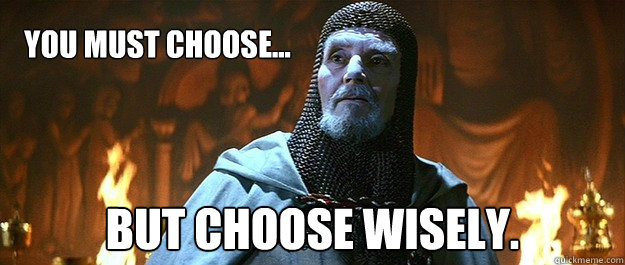
The dominant social media companies must choose: if they are neutral platforms, they should have immunity from litigation. If they are publishers making editorial choices, then they should relinquish this valuable exemption. They can’t claim that Section 230 immunity is necessary to protect free speech, while they shape, control, and censor the speech on their platforms.
Insomma, in sostanza o sei una PIATTAFORMA, e allora NON sei responsabile del contenuti che postano i tuoi utenti... oppure sei un EDITORE, e allora SEI direttamente responsabile di tutto ciò che pubblichi.
Buona fortuna Google/Facebook/Twitter/ecc... scegliete con saggezza.

Comunque, a prescindere da questo, mi chiedo come mai per questi ritardati (Google, Facebook, ecc) sia così difficile capire che NON sono la mamma dell'umanità e non spetta a loro decidere cosa degli adulti debbano poter dire o fare sui loro network. Dopotutto Silicon Valley si trova in America, il paese del primo cazzo di emendamento, quindi il concetto di libertà di parola ed espressione DOVREBBE essere qualcosa che viene insegnato loro fin dall'asilo.
**Modificato dall'autore il 28.06.2019 10:15**
Section 230 of the Communications Decency Act immunizes online platforms for their users’ defamatory, fraudulent, or otherwise unlawful content. Congress granted this extraordinary benefit to facilitate “forum[s] for a true diversity of political discourse.” This exemption from standard libel law is extremely valuable to the companies that enjoy its protection, such as Google, Facebook, and Twitter, but they only got it because it was assumed that they would operate as impartial, open channels of communication—not curators of acceptable opinion.
[CUT]
“one of the reasons why Congress first passed Section 230 was to enable online platforms to engage in good-faith community moderation without fear of taking on undue liability for their users’ posts.”
As Cruz properly understands, Section 230 encourages Internet platforms to moderate “offensive” speech, but the law was not intended to facilitate political censorship. Online platforms should receive immunity only if they maintain viewpoint neutrality, consistent with traditional legal norms for distributors of information. Before the Internet, common law held that newsstands, bookstores, and libraries had no duty to ensure that each book and newspaper they distributed was not defamatory. Courts initially extended this principle to online platforms. Then, in 1995, a federal judge found Prodigy, an early online service, liable for content on its message boards because the company had advertised that it removed obscene posts. The court reasoned that “utilizing technology and the manpower to delete” objectionable content made Prodigy more like a publisher than a library.
Congress responded by enacting Section 230, establishing that platforms could not be held liable as publishers of user-generated content and clarifying that they could not be held liable for removing any content that they believed in good faith to be “obscene, lewd, lascivious, filthy, excessively violent, harassing, or otherwise objectionable.” This provision does not allow platforms to remove whatever they wish, however. Courts have held that “otherwise objectionable” does not mean whatever a social media company objects to, but “must, at a minimum, involve or be similar” to obscenity, violence, or harassment. Political viewpoints, no matter how extreme or unpopular, do not fall under this category.
[CUT]
The dominant social media companies must choose: if they are neutral platforms, they should have immunity from litigation. If they are publishers making editorial choices, then they should relinquish this valuable exemption. They can’t claim that Section 230 immunity is necessary to protect free speech, while they shape, control, and censor the speech on their platforms.
Insomma, in sostanza o sei una PIATTAFORMA, e allora NON sei responsabile del contenuti che postano i tuoi utenti... oppure sei un EDITORE, e allora SEI direttamente responsabile di tutto ciò che pubblichi.
Buona fortuna Google/Facebook/Twitter/ecc... scegliete con saggezza.

Comunque, a prescindere da questo, mi chiedo come mai per questi ritardati (Google, Facebook, ecc) sia così difficile capire che NON sono la mamma dell'umanità e non spetta a loro decidere cosa degli adulti debbano poter dire o fare sui loro network. Dopotutto Silicon Valley si trova in America, il paese del primo cazzo di emendamento, quindi il concetto di libertà di parola ed espressione DOVREBBE essere qualcosa che viene insegnato loro fin dall'asilo.
**Modificato dall'autore il 28.06.2019 10:15**
-
Platform, or Publisher? @ 2019-06-28 10:12:48.0 di Rick Sanchez